
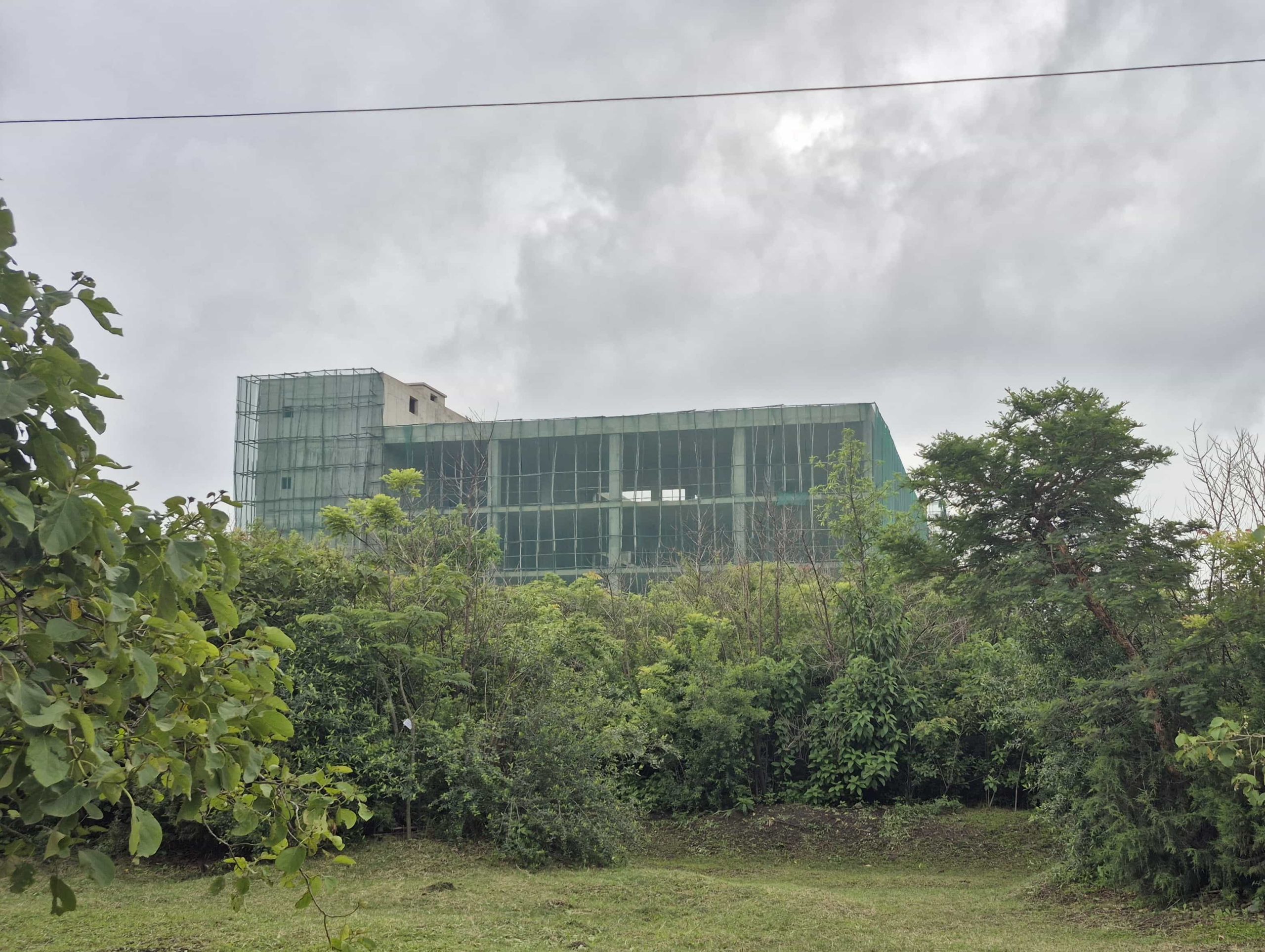
At Roha Health, our foremost mission is to deliver affordable, high-quality healthcare, guided by an ESG philosophy that holds us accountable to the environment, our communities, and the people who make this hospital run.
Our sustainable campus is anchored by a thriving urban forest of 12,000 trees, providing a vital public asset and an elevated experience for all. By future-proofing our infrastructure to deliver long-term value to our stakeholders, we ensure an efficient, deeply restorative healing environment for our patients, visitors, and staff.
Green Hospital: Develop a green hospital that enhances biodiversity, improves air quality, and conserves native trees.
Equitable Workforce: Recruit diverse talent, paying close attention to gender equity, language, age, and ability, and foster a supportive environment to maintain diversity.
Ethical Governance: Provide employees with training on fraud, anti-corruption, and anti-bribery, supported by clear policies, reporting mechanisms, and accountability measures.
Accessible Care: Provision of needs-based medical services to bridge the healthcare gap for those who can't afford it.
Community Investment: Support the community through Roha's foundation — knowledge and skills transfer, job creation, food security, and health education.
Our facility features a thriving, 12,000-tree indigenous urban forest cultivated using the specialized Miyawaki method. This pioneering botanical technique involves planting a dense, multi-layered mix of native species close together, stimulating intense natural competition that triggers growth up to ten times faster than traditional reforestation.
This living infrastructure serves as a powerful carbon sink and a natural shield against regional climate risks like rising temperatures, urban heat island effects, and flash flooding. Landscaped to be patient-accessible, this dense green canopy moves beyond environmental utility to serve as a restorative natural sanctuary — lowering stress, reducing clinical anxiety, and accelerating the healing process.
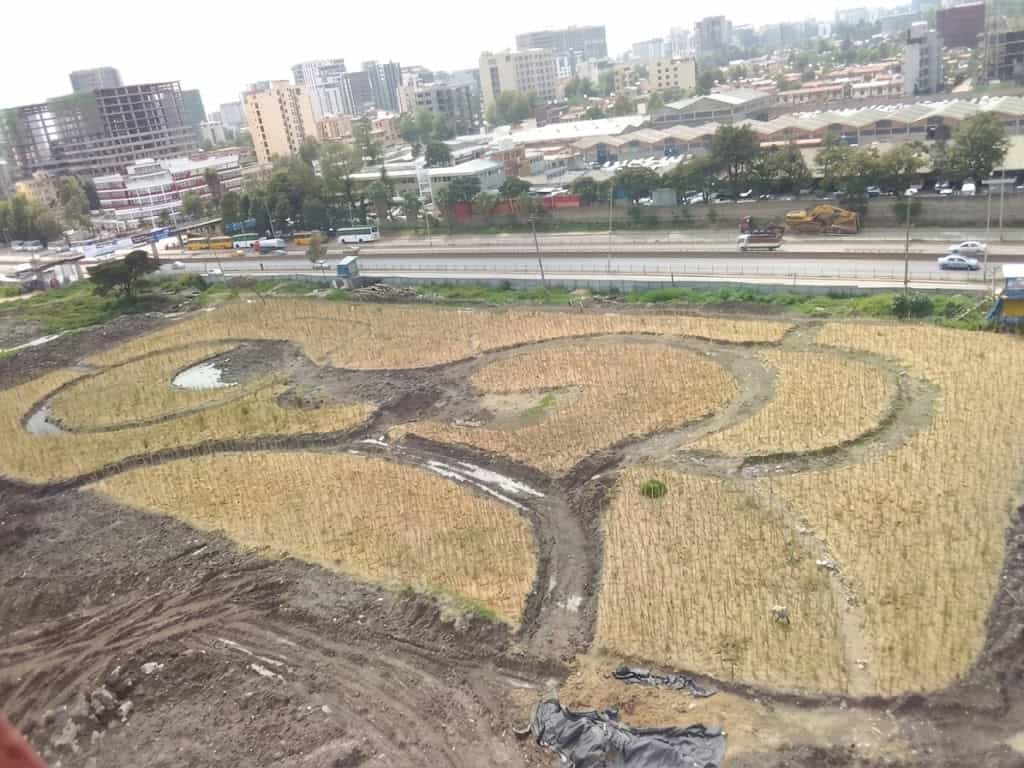
Planting Stage
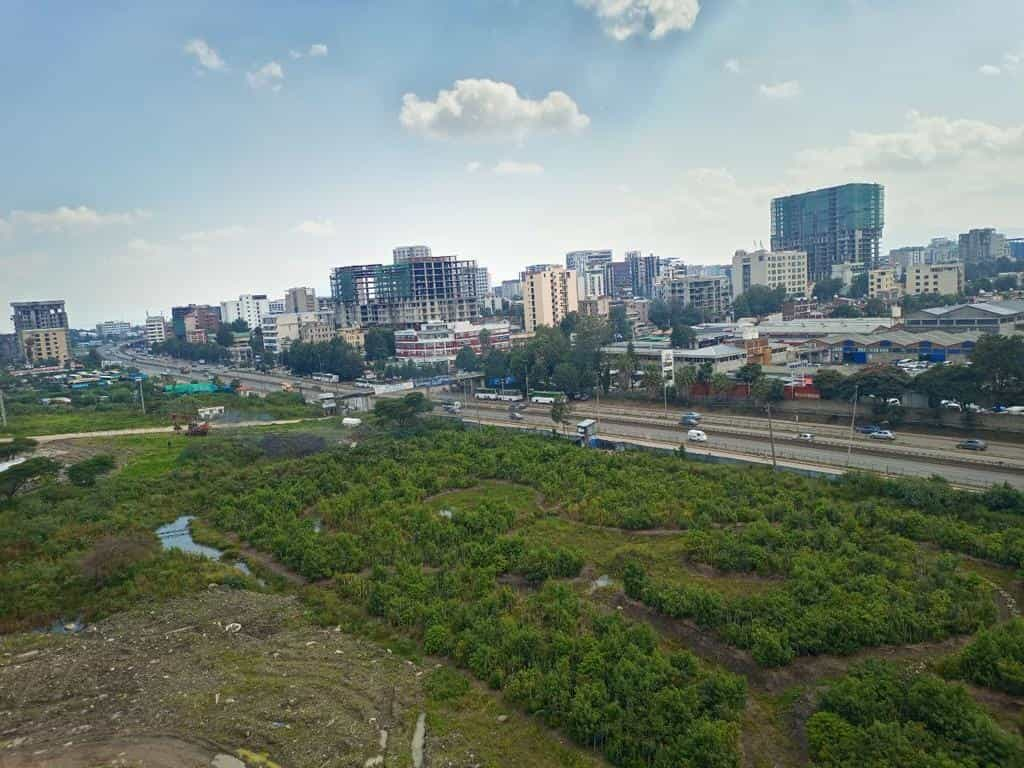
Year 1 - 97% survival rate
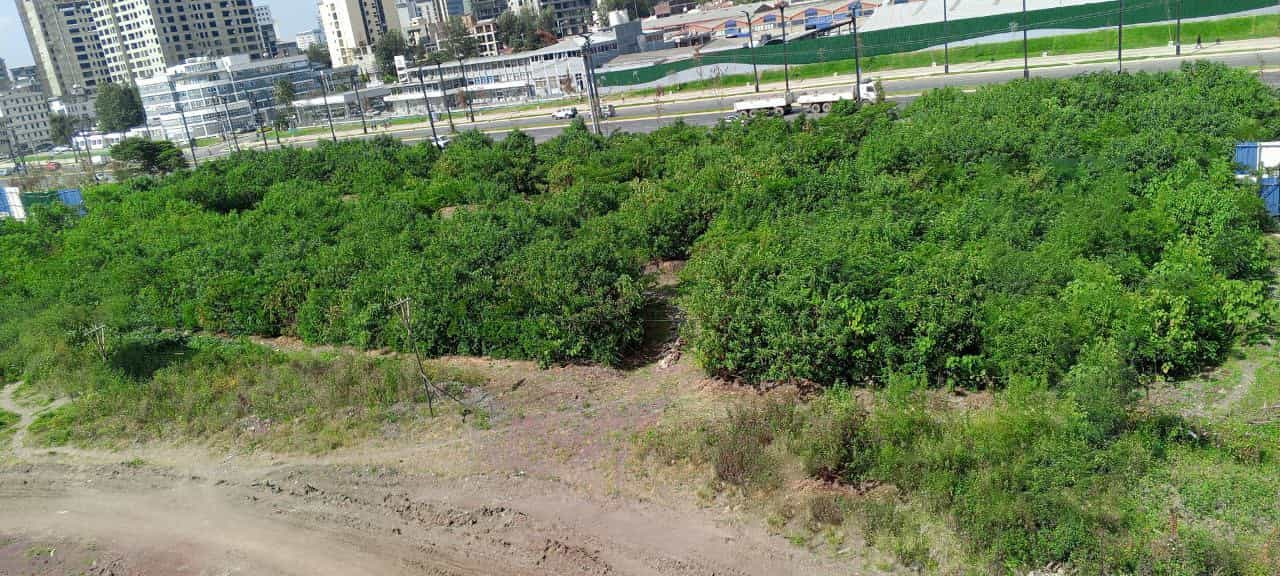
Year 2 - 96% survival rate
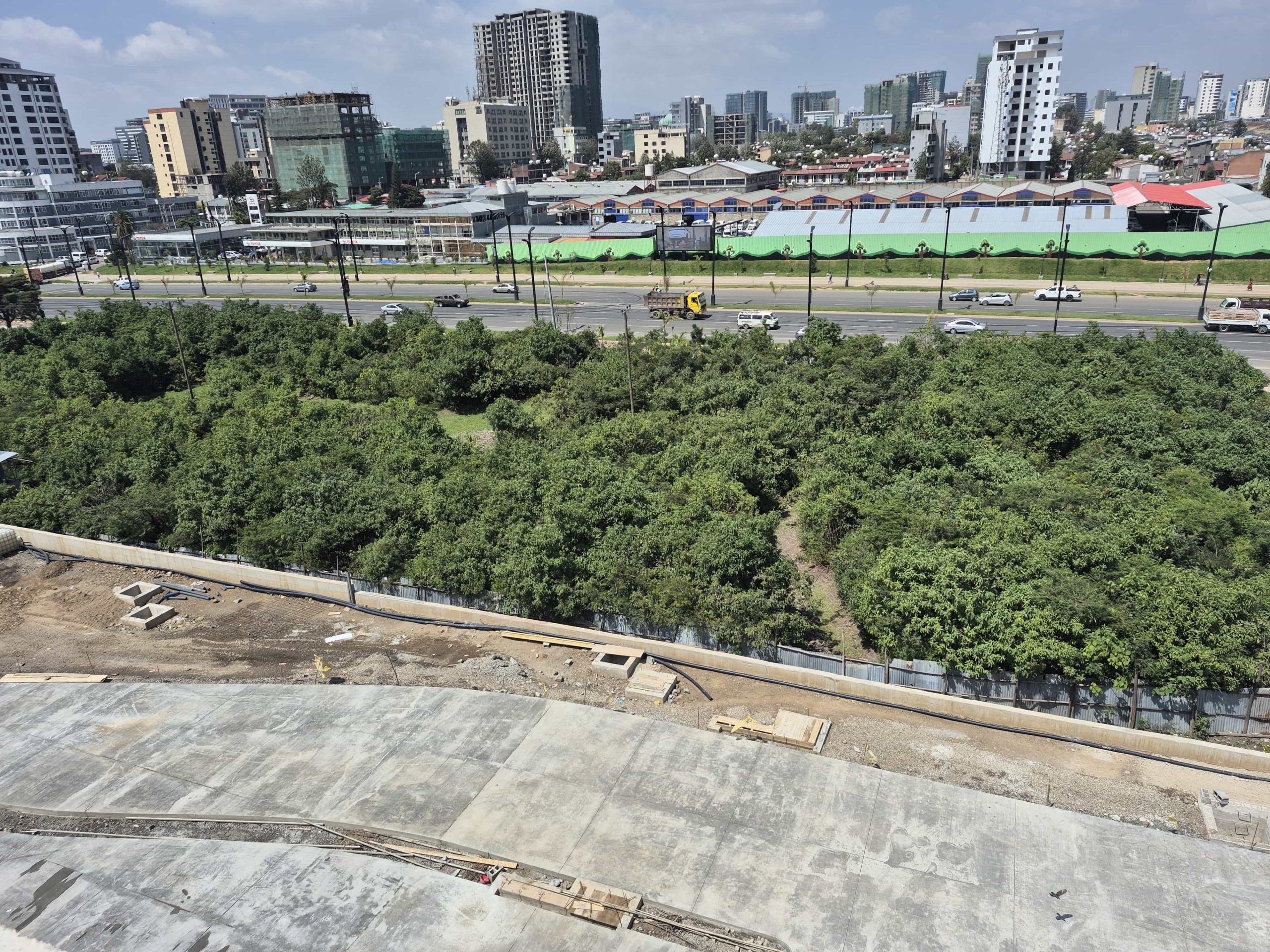
Year 3 - 91% survival rate
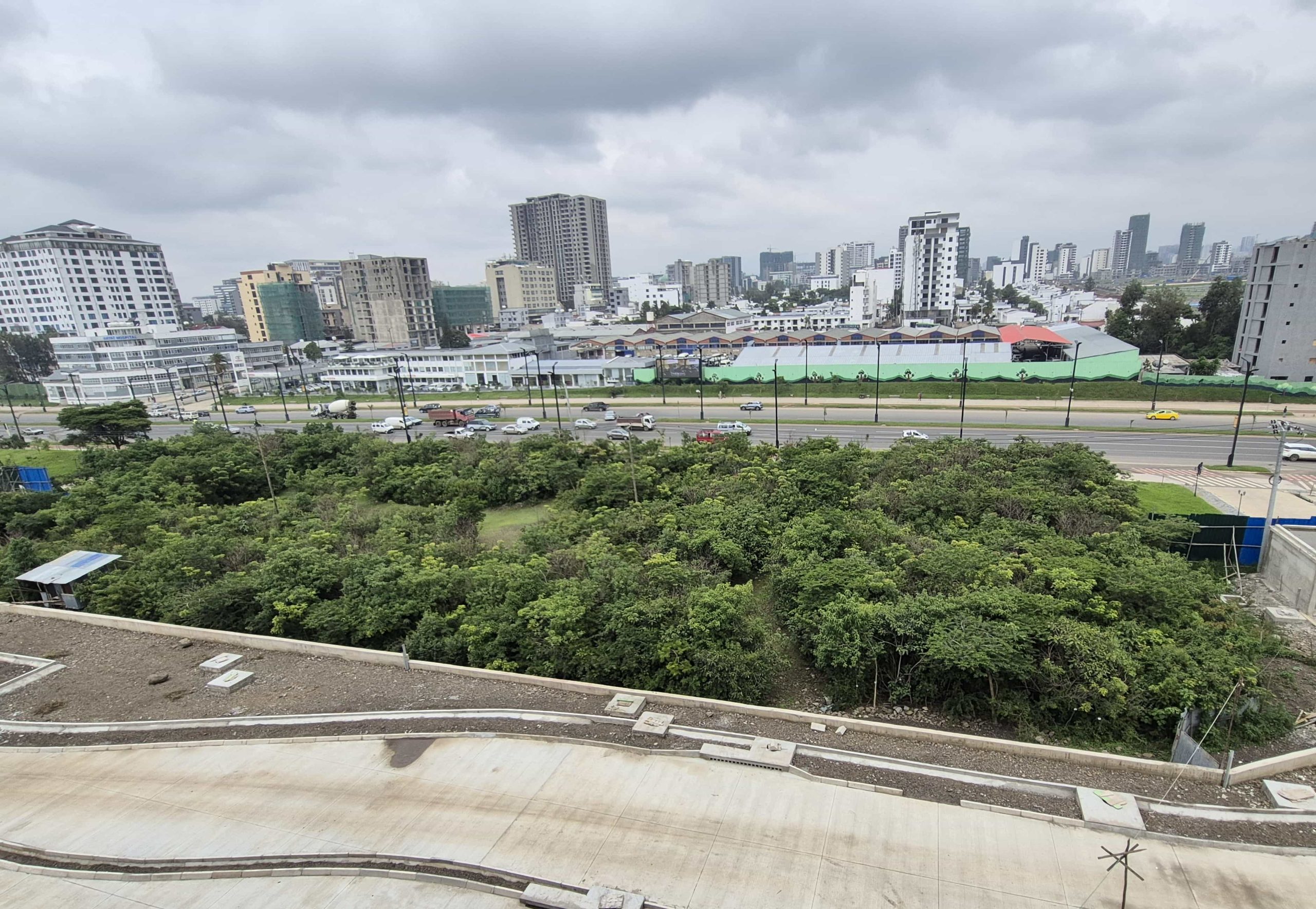
Year 4 - 90% survival rate
Our team regularly steps out of the office to spend time with Ethiopia's next generation, sharing career journeys with students, meeting talented graduates at job fairs, and hearing their perspectives in return. We also open our doors the other way, welcoming journalists, researchers, and visiting academics onto our campus to see our progress firsthand and take part in the broader conversation about the future of healthcare in Africa.
That engagement is grounded in the values we want this hospital to stand for: dignity, education, and inclusion. We partner with local schools and organizations on causes that reflect those values, from health education to equity for underserved groups, forming lasting relationships within our community.
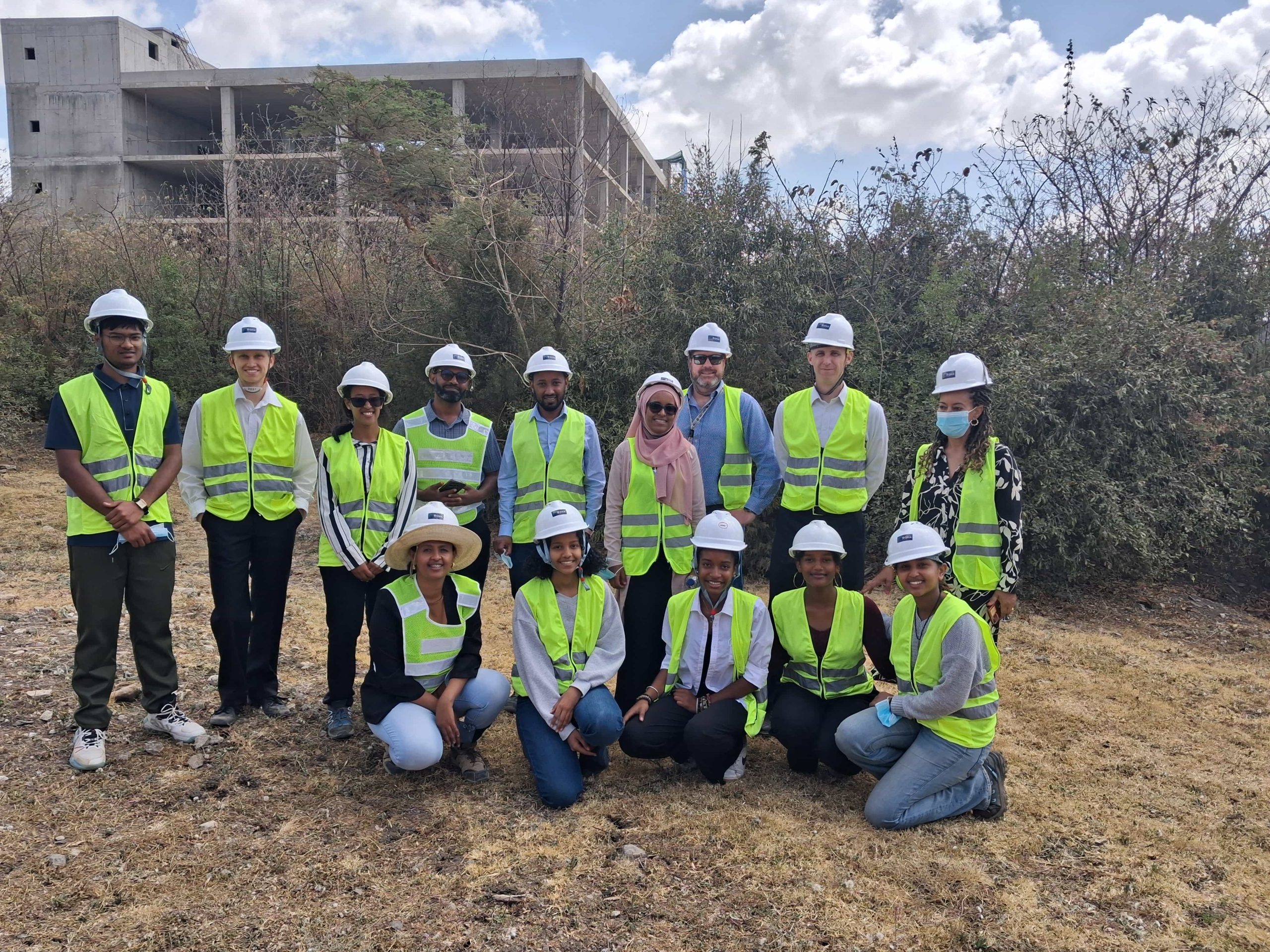 Professional Work Experience Internship Program
 Career Mentorship and Guidance Session
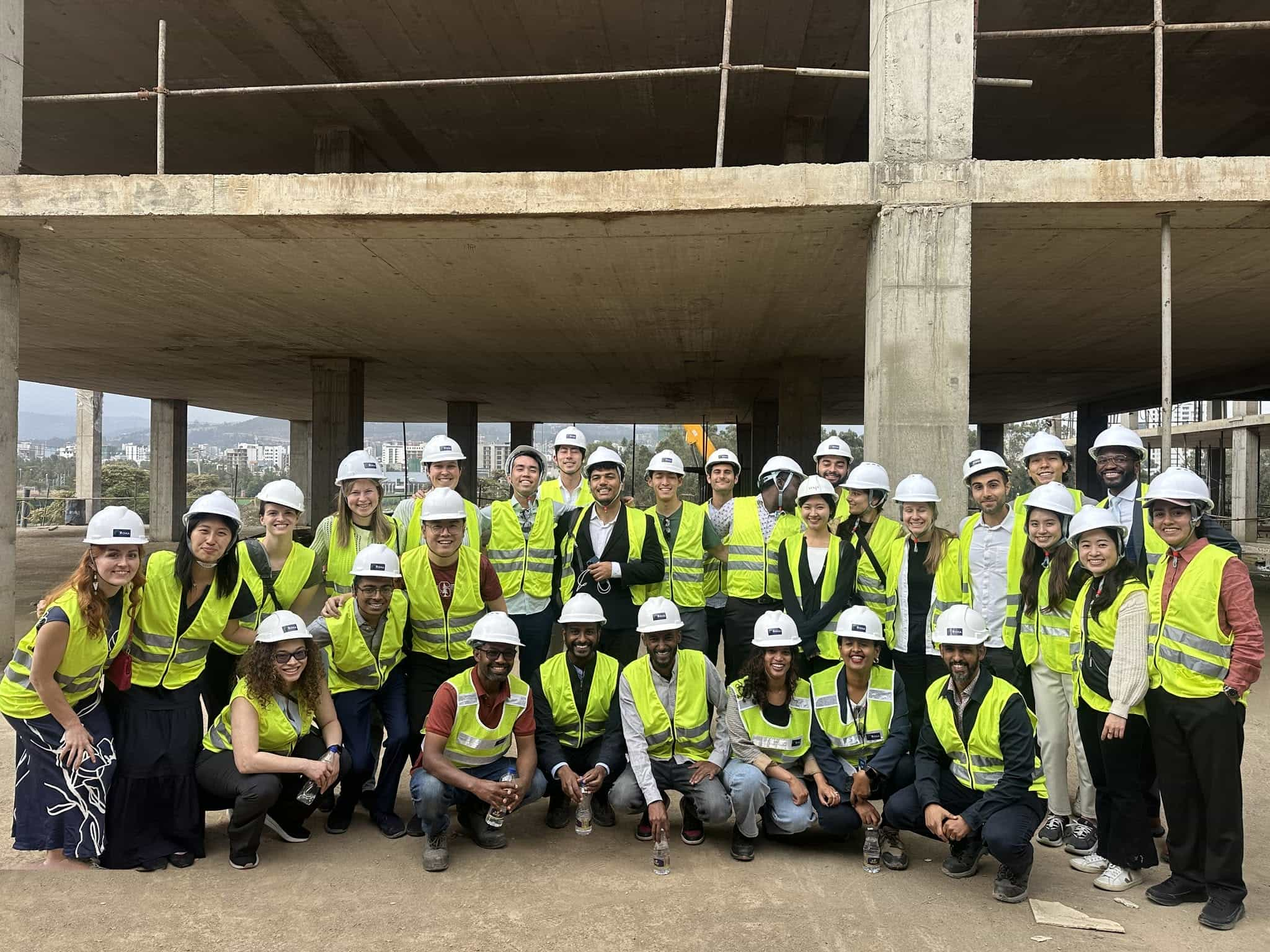 Stanford Graduate School of Business students visit
 Ethiopian Wildlife Conservation Think Tank Visit
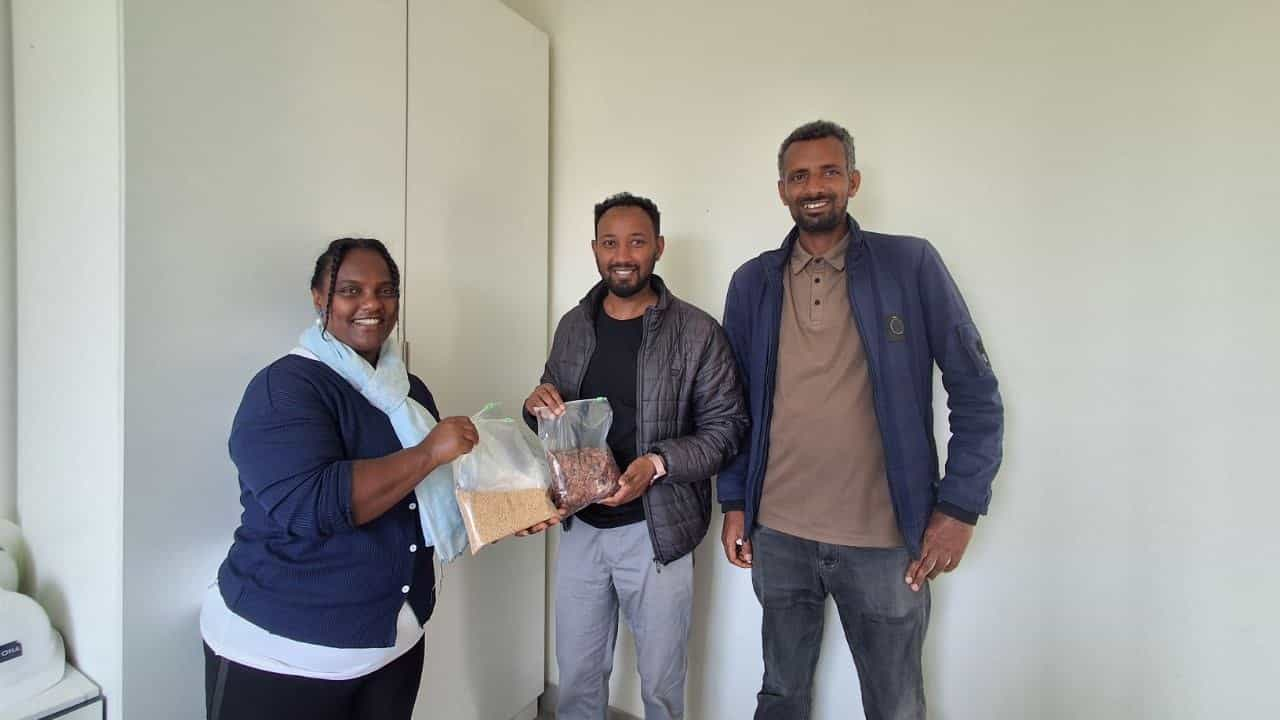 Seed Donation from Roha Miyawaki Forest
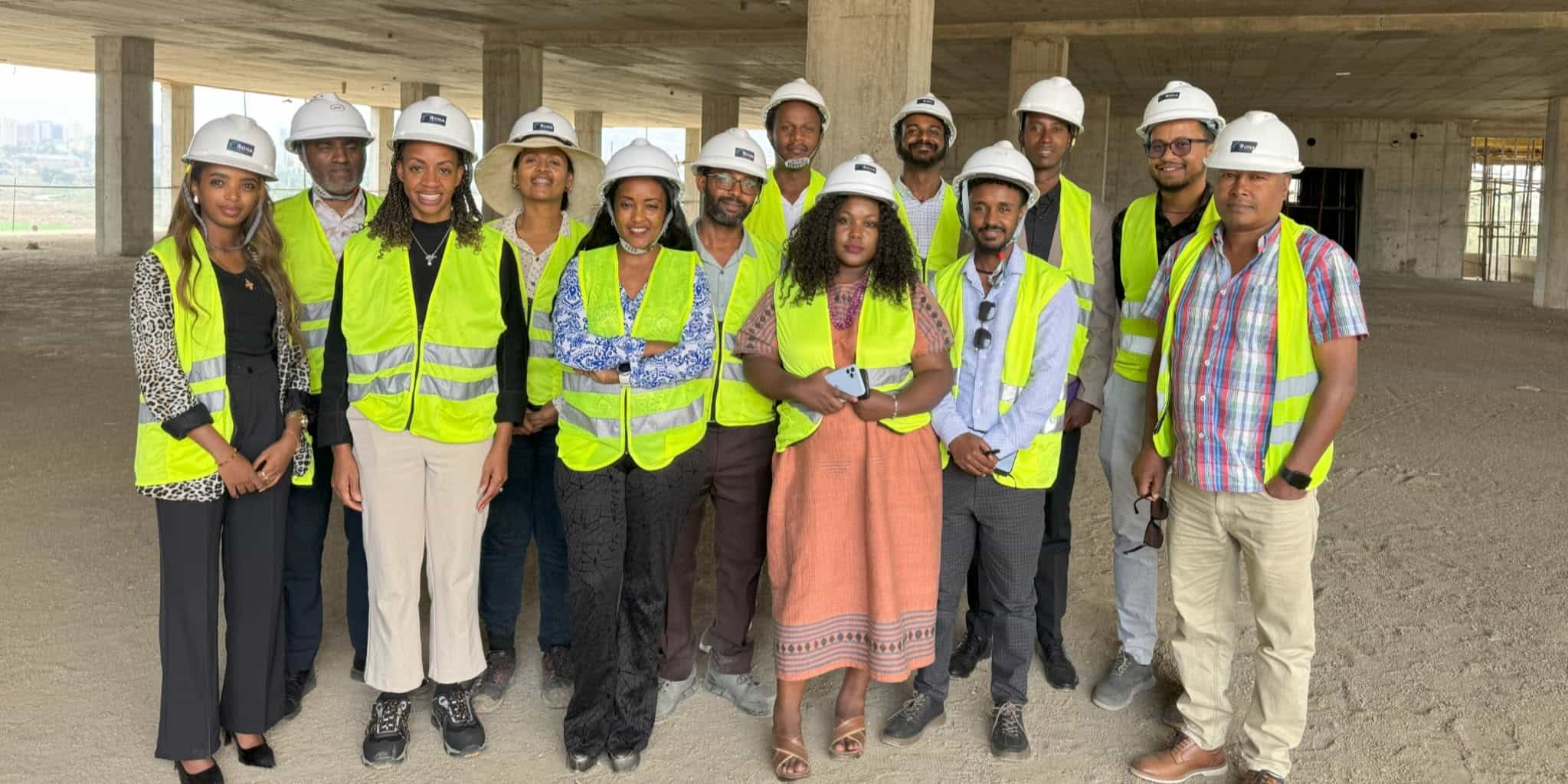 Press Tour for Journalists from Multiple Media Outlets
At Roha, occupational health and safety are actively managed through a dedicated Health and Safety Committee. Comprising management, site supervisors, and worker representatives, this committee ensures risks are identified early and addressed through a structured governance process.
We proactively mitigate site-level hazards through routine inspections, targeted controls for high-risk activities, and rigorous contractor monitoring. Supported by comprehensive safety inductions, clear incident reporting channels, and continuous performance tracking, our approach ensures we continuously strengthen prevention measures as the hospital transitions from construction into full operations.
Health & Safety Policy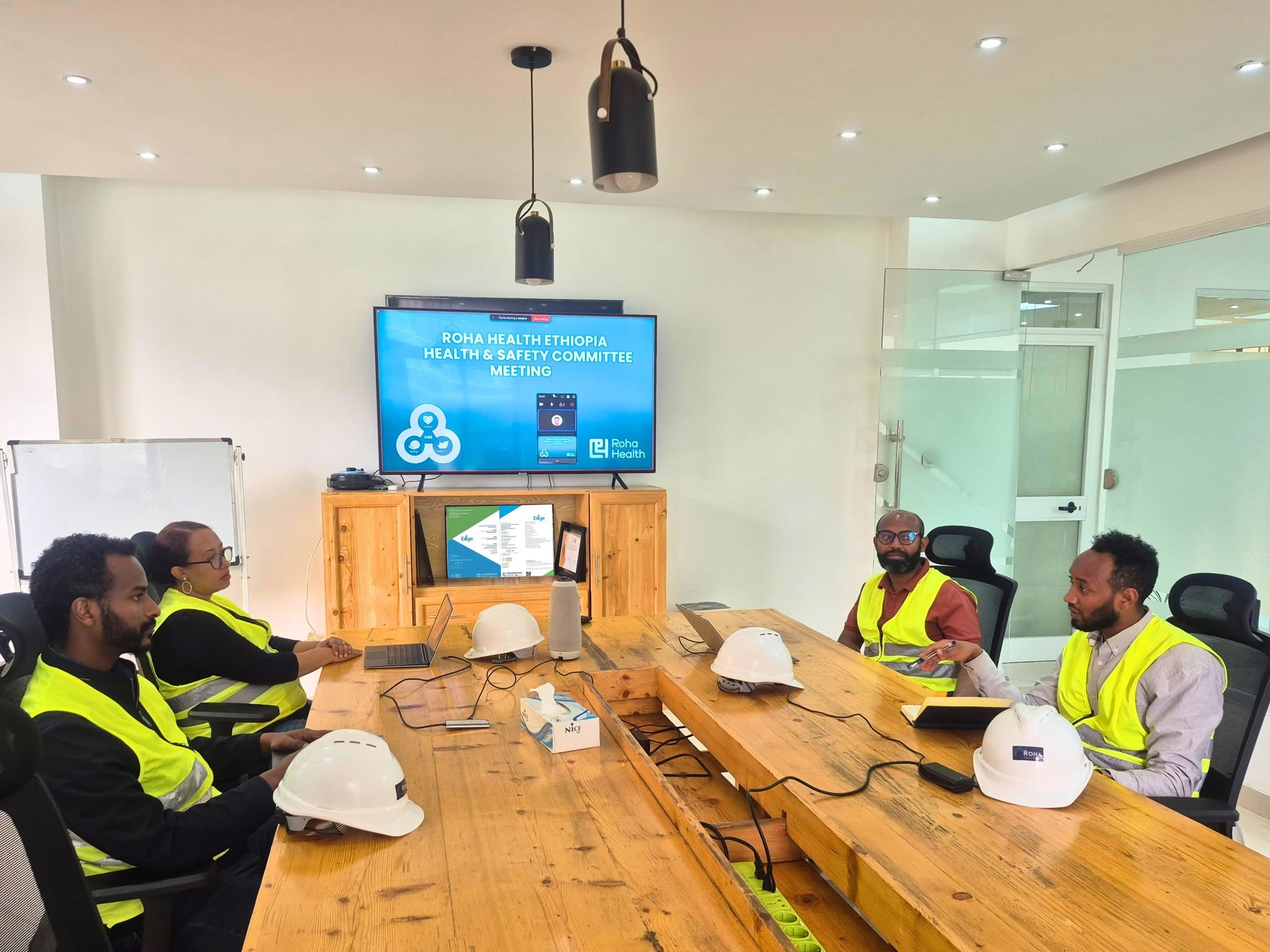 Health & Safety Committee