
Four years after it was planted, Roha’s urban pocket forest has reached an important milestone. Established using the Miyawaki method, a nature-based approach to creating dense, diverse forests in relatively small urban spaces, the forest has achieved an approximately 90% survival rate, with some trees now reaching up to 6 meters in height. The forest has also become a habitat for a growing range of biodiversity, demonstrating how carefully planned urban forests can create valuable ecosystems within built environments. By recreating elements of a natural forest community using a diversity of locally appropriate plant species, the Miyawaki approach is designed to encourage rapid establishment and the development of a self-sustaining ecosystem.
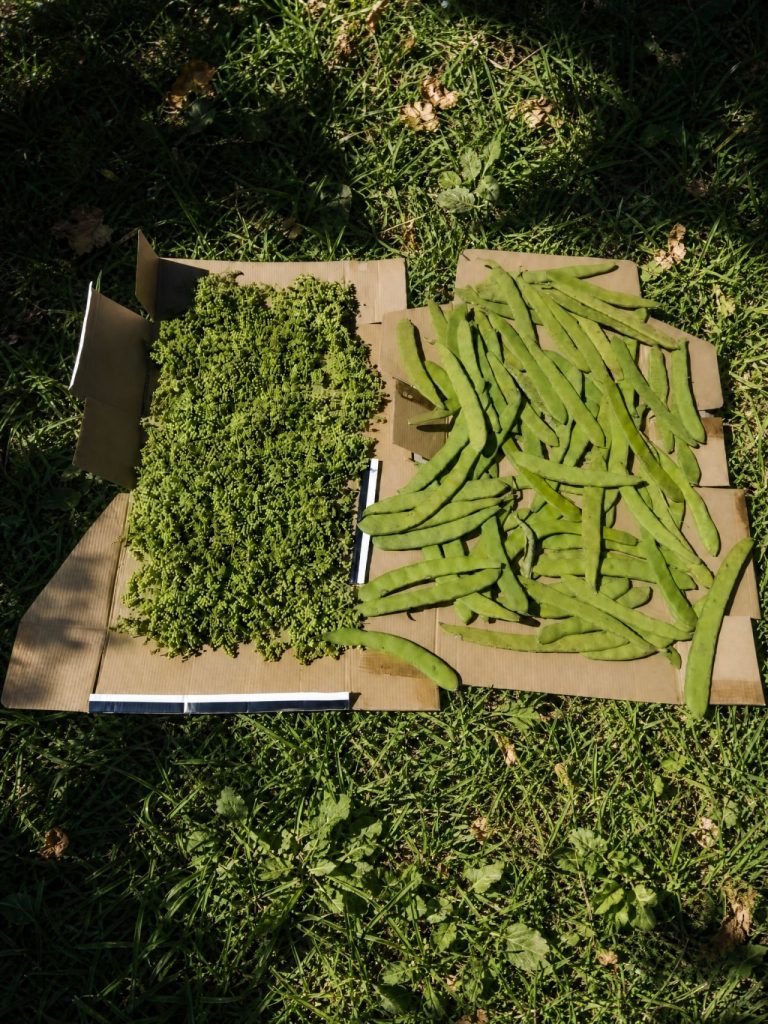
The forest’s development is now creating an opportunity to extend its impact beyond the our hospital. Roha has begun collecting seeds from selected species growing within the forest, with a portion being shared with partner community nurseries for propagation. Seed collection and propagation can play an important role in ecological restoration by helping conserve plant diversity and increasing the availability of planting material for future restoration projects. Community nurseries, in turn, can help bridge the gap between seed collection and planting by raising seedlings that can eventually be established in other locations. This creates a simple but powerful cycle: a forest established in one urban space can provide the seeds needed to help grow forests elsewhere.
The species whose seeds have been collected and shared through the initiative include Acacia abyssinica (Bazra Grar / ባዝራ ግራር), Abutilon theophrasti (Tefa Tefur / ጠፍ ጠፉር), Dodonaea angustifolia (Kitkita / ክትክታ), Millettia ferruginea (Birbira / ብርብራ), and Rhus vulgaris (Yeregna Kolo / የእረኛ ቆሎ). Through sharing these seeds with community nurseries, Roha is helping create opportunities for the propagation of these species and for restoration efforts to reach beyond the boundaries of its own site. The journey of the Roha urban pocket forest shows that even a relatively small urban space can support biodiversity, demonstrate nature-based approaches to restoration, and become a source of new growth. From one forest, new forests can grow.